
What today’s buyers need to see before they commit

Jon Kennett
-
Agency Director
23 February 2026

Building trust with your website visitors

Whether you sell software, services or shoes, your buyers are making decisions in the same environment: too many options, not enough time, and a constant stream of “best of” lists, ads and recommendations competing for attention. 

Huge red buy now button on keyboard for building trust with website visitors blog

In B2B, that might mean three platforms that look almost identical, all promising to solve the same problem. In D2C, it’s ten brands selling similar products at similar prices.

AI has added another layer to that environment. Tools like ChatGPT, Gemini and Copilot can now turn hours of research into a shortlist or summary. That’s helpful for buyers, but it makes it harder for brands to stand out or even be included in the first place. People often know more about the market than they used to, but they’re not always sure who they can rely on.

In that context, trust, transparency and a human experience have a direct impact on how your site feels to use and how confident someone feels taking the next step. That applies whether you’re running a Shopify store, a WooCommerce build or a complex B2B platform.

What trust looks like on a modern website

When someone lands on your site, they’re quickly scanning for signs that you’re a safe choice (whether consciously or subconsciously). Beneath the surface design, trust usually shows up in three areas: proof, clarity and reliability.

Yellow starts on pink and blue background for building trust with website visitors blog
  1. Proof it works
    People have been trained by platforms like Amazon, G2 and Trustpilot to expect evidence. Reviews, ratings, testimonials, usage stats and case studies are all part of the decision-making process. If they can’t see proof that your product or service works, they’ll look for it somewhere else or move on.

For D2C brands, that proof often includes:

  • Product reviews with real detail, not just star ratings
  • Photography that shows products in everyday use
  • Visible returns experiences and support stories, not just policy pages

For B2B teams, it usually means:

  • Case studies that show the problem, approach and outcome
  • Named client quotes or carefully selected logos
  • Numbers that relate to real outcomes, not vanity metrics

A simple starting move is to bring one strong piece of proof higher up on your key pages, rather than hiding everything on a separate testimonials or case studies section.

  1. Clarity over cleverness
    Many sites make visitors work too hard. Abstract headlines, vague “solutions” language and missing pricing (or even an indication of costs), force people to guess what you do and whether they can afford you. Creative copy has its place, but if buyers can’t quickly understand what you offer, confidence drops.

Clarity can be as simple as:

  • Saying in plain language who you are and what you do
  • Being specific about who you’re for
  • Stating the main action clearly on each key page: buy, book, enquire or build a quote

You don’t have to remove your personality. But make the basics unmistakable before layering in tone, story and visual flair.

  1. Consistency and reliability
    The experience of using your site shapes expectations about everything else. If pages are slow, forms break and layouts jump around on mobile, visitors might assume the working relationship will feel similar.

On ecommerce sites, reliability shows up as accurate stock information, realistic delivery expectations and predictable performance during busy periods. On B2B sites, it’s working forms, sensible navigation and content that’s up to date.

You don’t need perfection, but you do need to remove the obvious friction points that raise doubts.

Transparency: answering the questions people won’t say out loud

Visitors won’t / can’t tell you what they’re thinking as they scroll. They’ll just open a new tab and compare you with someone else. Four questions tend to sit under the surface of almost every buying journey.

Blue question mark on pink background for building trust with website visitors blog
  1. “Is this actually for someone like me?”
    If someone can’t see themselves in your site within a few seconds, they’re unlikely to stick around.

Clarity on fit might include:

  • Naming your core audiences and use cases
  • Showing examples that match those audiences
  • Being honest about situations where you’re not the right option

For a D2C brand, that might mean sizing guides or “best for” call-outs. For a B2B team, it could be sector-specific case studies or role-based content.

  1. “Roughly what will I pay?”
    Pricing is one of the quickest ways to build or lose trust. Nobody expects every B2B service to publish a full rate card, but buyers do want a sense of scale.

For ecommerce, transparency means:

  • Clear prices that include mandatory extras
  • Early visibility of taxes, fees and shipping costs

For B2B, it might mean:

  • Realistic “from” prices
  • Packages or tiers that show how scope and cost relate
  • Example engagements that outline a typical investment

You don’t have to publish everything, but giving people enough information to qualify themselves in or out builds confidence.

  1. “What happens if something goes wrong?”
    Every buyer imagines the downside. If they can’t easily find what happens when things go off-track, they’ll probably just assume the worst.

For product businesses, that usually means:

  • Clear, readable returns and warranty information
  • Support channels with realistic response expectations

For B2B services, it might include:

  • How you handle delays or scope changes
  • Where responsibility sits in shared projects

Dense legal PDFs may tick compliance boxes, but a short, plain-language summary alongside them goes a long way.

  1. “What happens after I click?”
    Uncertainty peaks at the moment of action. If someone doesn’t know what happens after “Buy now” or “Enquire”, they’re more likely to pause or leave.

You can reduce that uncertainty by:

  • Explaining the next few steps after an enquiry or purchase
  • Giving realistic timelines
  • Setting expectations about communication

This matters just as much for a £50 order as it does for a six-figure project.

Human-first

AI is now part of most digital journeys, whether buyers notice it or not. That has made people more sensitive to whether there are real humans behind a brand and how easy they are to reach.

Man and robot interacting in a cafe for building trust with website visitors blog

Showing the people behind the brand
Buyers feel more comfortable when they know who they’re dealing with. That might include:

  • Team pages with names, faces and roles
  • Insights authored by specific experts
  • Founder or leadership notes about how you work

For many brands, this is about bringing existing people and stories closer to the surface, rather than inventing something new.

Clear paths to real conversation
Self-serve journeys matter, but so does the option to talk to someone when the decision is complex or high value.

On both ecommerce and B2B sites, that might look like:

  • Clear options to book a call or request a demo
  • Chat tools that set honest response expectations
  • Multiple contact routes so people can choose what feels comfortable

The goal isn’t to push conversations, but to make them easy when they’re needed.

Using AI to support trust
AI can improve experiences through smarter search, better recommendations and faster support. Used carelessly, it can also create generic or misleading interactions.

A more grounded approach is to:

  • Use AI where it improves clarity or speed
  • Keep humans involved in nuanced or relationship-driven decisions
  • Be open about what is automated and what isn’t

AI-driven discovery will become more common and so brands that balance efficiency with visible human judgement will stand out. Augmentation is key. 

A 10-point trust audit you can run this month

If you want a practical starting point, use these questions across your homepage, key landing pages and main journeys:

  • Do we show proof near the top of our key pages?
  • Can a new visitor tell in five seconds who we’re for and what we do?
  • Are we hiding crucial information like pricing, delivery or timelines?
  • Is it obvious what happens after someone clicks our main CTA?
  • Does the site feel fast and stable on mobile?
  • Are real people visible anywhere on the site?
  • Can someone progress without speaking to sales if they want to?
  • And if they do want to speak to someone, is that path obvious?
  • Are our reviews and case studies recent and outcome-focused?
  • When did we last review this with real customer input?

If this raises a few question marks, it usually means your site is ready for a more deliberate focus on trust and clarity.

For many brands, that work isn’t a single redesign. It’s ongoing improvement: refining messaging, tightening performance, improving data quality and adjusting journeys as buyer behaviour shifts.

That’s the kind of work we do with ecommerce and B2B teams on platforms like Shopify, WooCommerce and WordPress, helping turn “fine” websites into places people feel comfortable committing to.

You may also like...

The Many Twists and Turns in a Storied History of SEO

We can’t believe it was a little over 26 years ago that the first search engine was launched. Well, a lot’s changed since then.

7 Shopify Apps We Love!

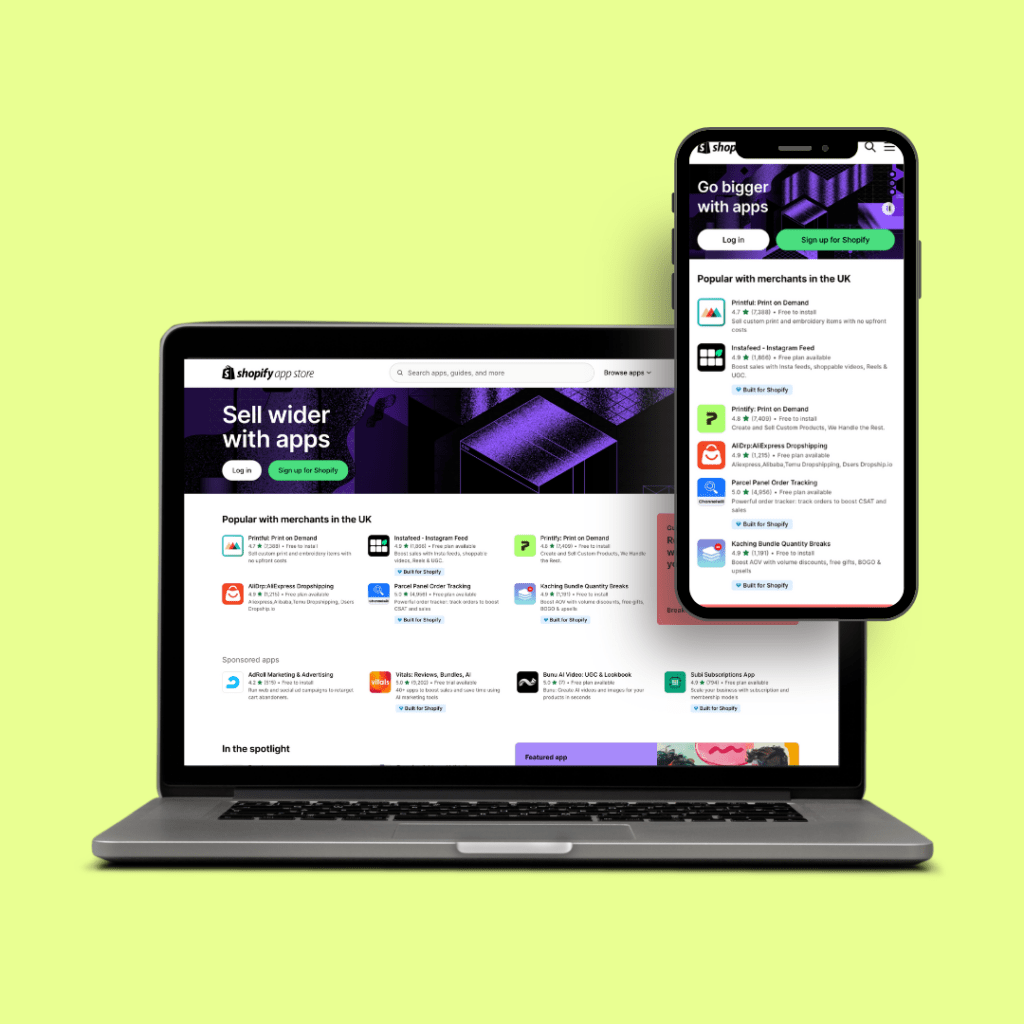
Regardless of whether you administer your Shopify store yourself, or work with a development partner, the right apps can solve a whole host of common eCommerce challenges. We’ve rounded up seven apps we genuinely love - that help Shopify businesses run even smarter.

Announcing Our VIP Table Host Role at The Barrow Club for 2025 - Plus Top B2B Networking Tips

Networking can sometimes feel like attending a wedding where you don’t know anyone - awkward, tentative and unsure of how to break the ice. But at The Barrow Club, the atmosphere was entirely different.

Unlock your online
potential today

If you want to showcase your offering, convert more leads, provide resources, or all of the above, we can build a website that separates you from the competition. 

Get in Touch

Get our monthly newsletter

This field is for validation purposes and should be left unchanged.
Name(Required)
© 2026 Bozboz. All rights reserved. 
Web Agency Brighton. 
Company 6546278 | VAT No. 198696229

Get our monthly newsletter

This field is for validation purposes and should be left unchanged.
Name(Required)
crossmenu