

For most of eCommerce’s history, the purchase journey has followed a familiar pattern. Someone searches for what they want, compares a handful of options across one or more retailers, deliberates for a bit, lands on a product page, adds to cart, and checks out.

That flow has been optimised within an inch of its life by conversion rate optimisation (CRO) experts and increasingly sophisticated software tools.
In the context of eCommerce, agentic search introduces something a fair bit different. Instead of search leading someone to a store - product listings, summaries, merchant links etc, are surfaced inside an AI conversation. Not only can the assistant help someone find products, it can shortlist options, answer questions, handle objections, and, in the not too distant future, complete the purchase without the shopper ever visiting a traditional website.
This is developing rapidly right in front of us, and it’s worth paying attention to. Not because it replaces eCommerce as we know it, but because it introduces a new checkout lane alongside the ones we already rely on - and it feels different enough to write about!
The term “agentic search” gets thrown around a lot, and it means different things depending on the context.
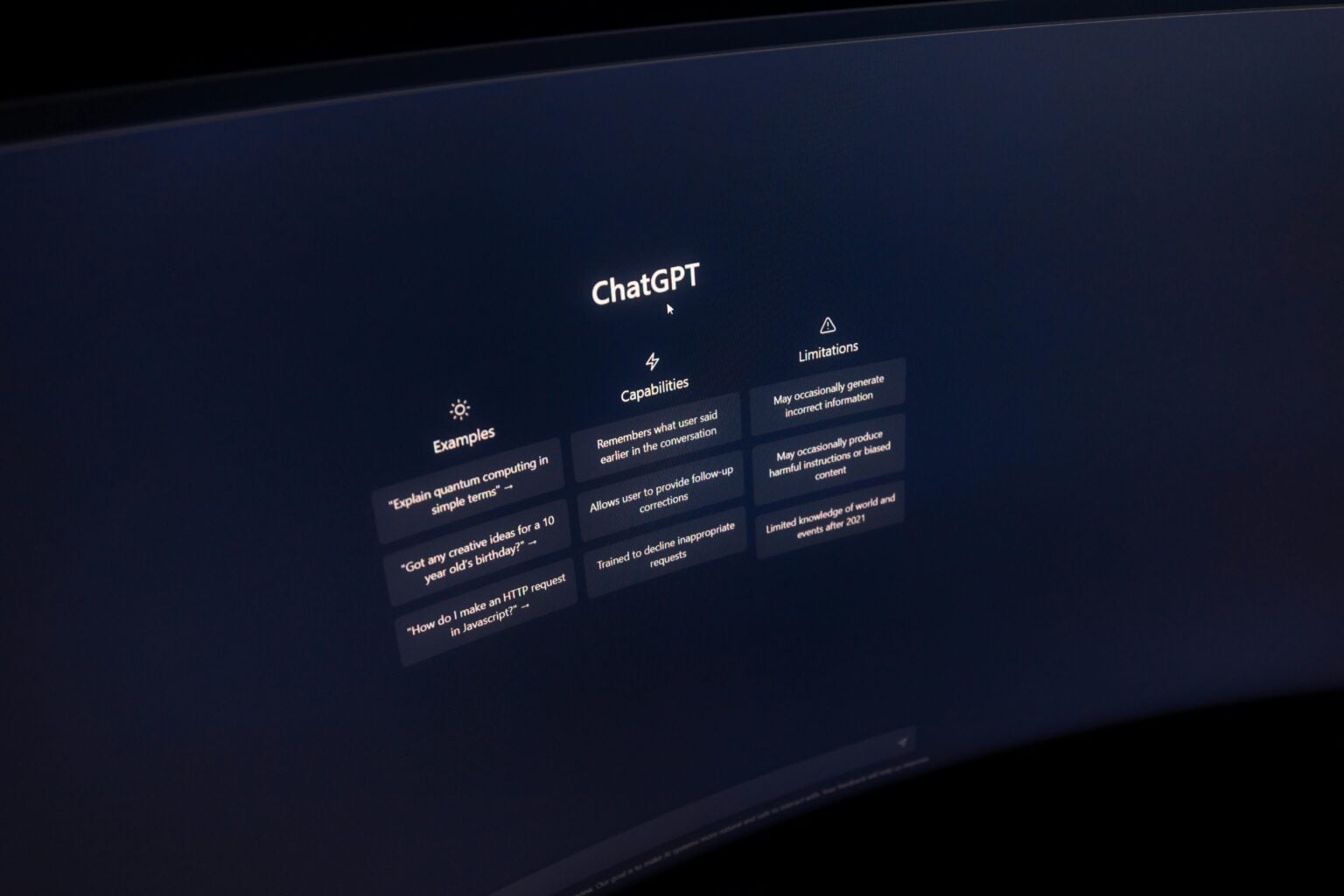
At a high level, it describes a shift from search as 'retrieval' to search as 'action'. Less “here is some information and links”, more “let me help you actually do the thing”.
In eCommerce, that thing could be making a purchase.
Practically speaking, agentic search has two core elements.
First, conversational discovery. Shoppers describe what they’re looking for in plain language, then refine their choices through follow-up questions. This already feels natural in AI tools, and it’s changing how people research products.
Second, agentic action. The assistant can take steps on the shopper’s behalf. That might mean comparing options, checking availability, factoring in delivery times, or preparing an order ready for checkout.
That second part is the real shift. When the assistant can act, the conversation stops being passive research and starts to look more like a buying journey.
Exactly how far that journey goes varies, and that’s where most of the nuance sits.
AI isn’t replacing Google or other search engines for everyday search (yet), and it probably won’t for a long time. Habit is powerful, and traditional search still does a very good job for plenty of use cases.

eCommerce is different.
People are already comfortable buying without “searching” in the traditional sense. They shop through marketplaces, social platforms, email, recommendations, and repeat purchases. The path to purchase is already fragmented.
What’s changing is where high-intent product research happens.
Product comparisons, “best for” questions, and specification-driven decisions are increasingly being handled inside AI tools, particularly by people who already use them day to day. There’s also early evidence that this behaviour is starting to show up in eCommerce data, with retail traffic from generative AI tools growing during recent peak shopping periods.
You don’t need this to become mainstream overnight for it to matter. It just needs to influence enough buying decisions to start shifting how discovery and conversion work at the margins. That’s usually how these things begin.
This is where it’s worth slowing down slightly, because “agentic search” is often used as an umbrella term for experiences that behave quite differently in practice.

Broadly speaking, there are two ways agentic search turns into a purchase today.
This is the most common implementation right now.
The assistant helps with discovery and decision-making, prepares the order, then hands the shopper off to the merchant’s checkout to complete payment.
A typical journey looks something like this:
In this model, the assistant has done a lot of useful work, but the final transaction still happens in a traditional checkout flow owned by the merchant.
This approach is widely available today. It’s familiar to shoppers, relatively straightforward to implement, and low risk for platforms. Useful, but not fully end-to-end.
This is the version that feels adventurously new.
Here, the entire journey, including payment, happens inside the AI interface itself.
Using the same jacket example, the flow looks more like this:
Under the hood, this usually means the AI platform handles checkout using a payment method you already have on file, then settles with the merchant, who fulfils the order as normal.
This model is live in limited contexts and is being actively developed by several major platforms, but it isn’t universal yet. It brings more regulatory, operational, and trust considerations with it, which is why it’s emerging gradually rather than all at once.
Both models exist today. Both are often described as “agentic search”. The difference is how far the assistant takes responsibility for completing the transaction.
For eCommerce platforms, the focus so far has been on readiness rather than forcing a single model.
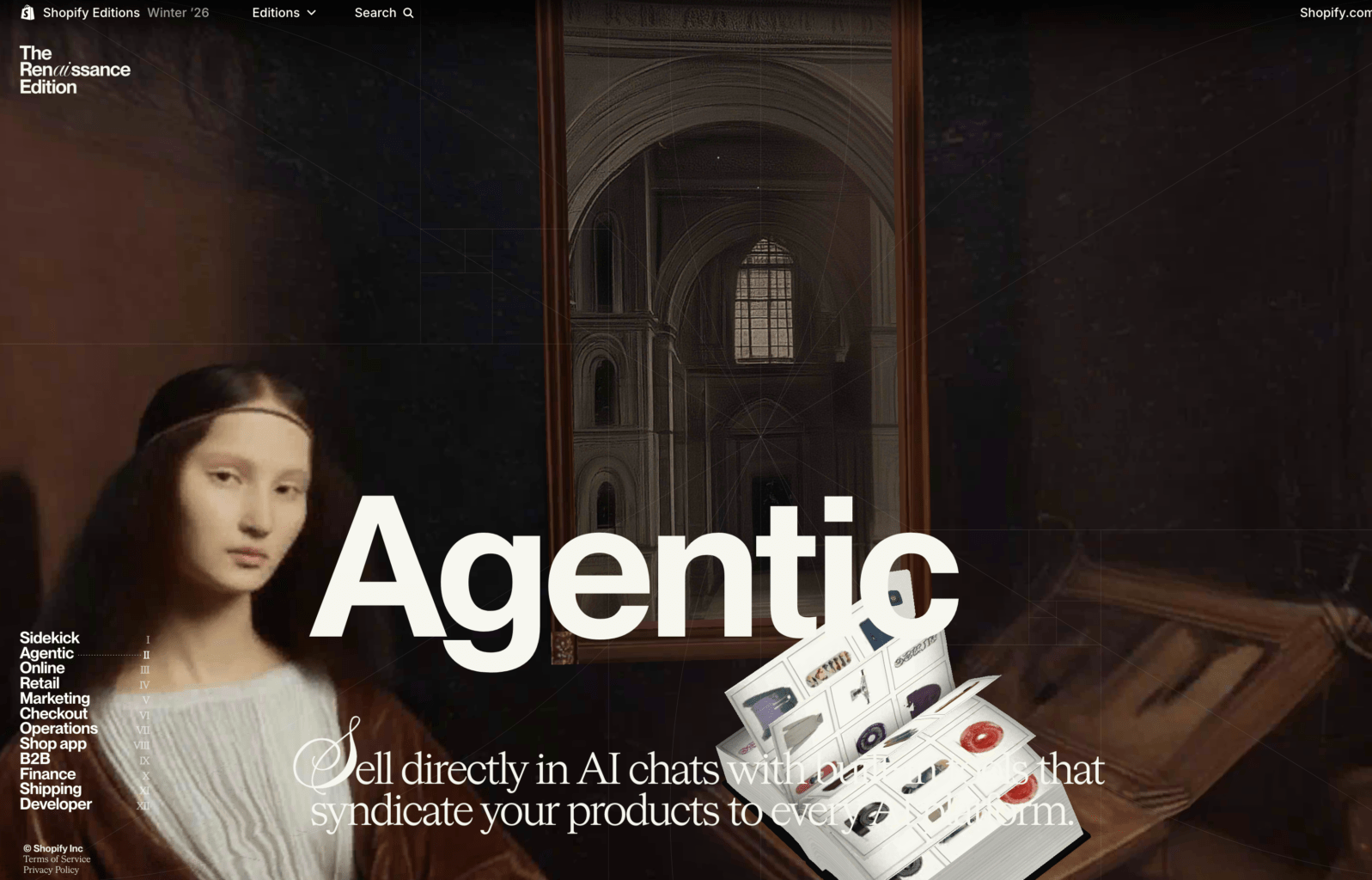
That means making sure product data is accurate, structured, and easy to surface in new contexts. Pricing, availability, variants, shipping rules, returns, and imagery all need to travel cleanly beyond the traditional product page.
Whether a purchase is completed via a merchant checkout or a platform-led flow, the same fundamentals apply. If the information is unclear or inconsistent, the experience breaks down quickly.
In that sense, agentic search doesn’t reduce the importance of good eCommerce - in fact, you’ve got to be even better at it to capitalise on the opportunity.
The biggest shift here isn’t technical, it’s actually behavioural.

When discovery and sometimes checkout happen inside a conversation, your product page is no longer the only place where your product is understood. The storefront becomes the sum of your product data, policies, imagery, and trust signals.
Brand experience also gets compressed. There are fewer opportunities to persuade through layout and long-form copy. Clarity starts to matter a lot.
Conversion friction may drop, but attribution will almost certainly get messier. More journeys will start in places analytics struggles to interpret, and fewer will follow neat last-click paths.
At the same time, customer ownership becomes more valuable, not less. If AI plays the middleman between discovery and checkout, the post-purchase relationship is where brands really differentiate. Clear communication, good support, sensible returns, and reasons to come back directly all matter more.
This doesn’t require ripping everything up, but it does reward diligence and preparation.
Get your product data into good shape. Titles, variants, attributes, and availability should make sense to someone who doesn’t already know your brand.
Tighten up policies that are likely to be summarised, especially shipping and returns.
Bring consistency to your imagery, so products present clearly across different screens, devices and platforms.
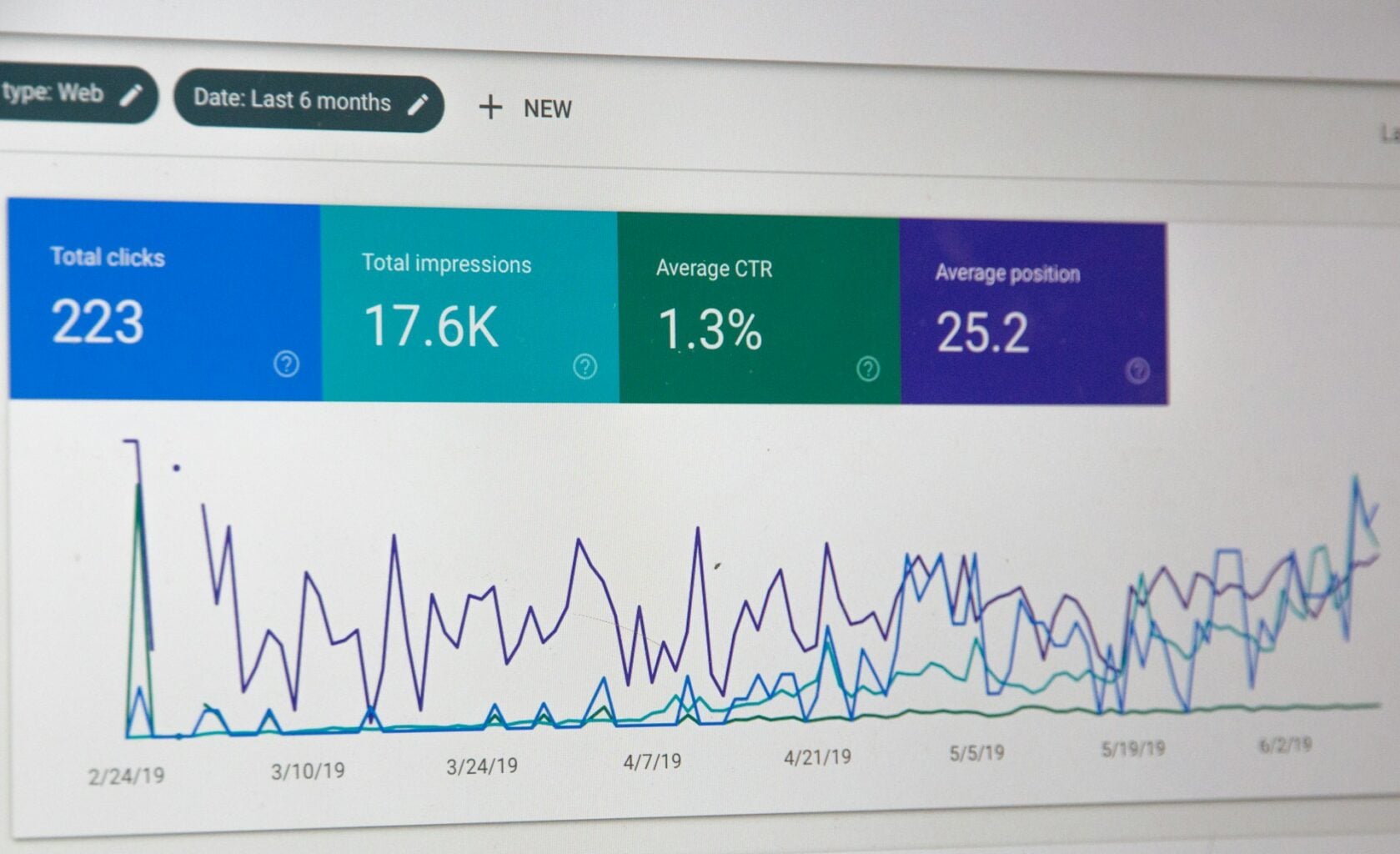
Keep an eye on where traffic and assisted conversions are coming from, even if volumes are small for now.
And pick one sensible area to experiment, test, rinse and repeat.
Agentic search isn’t replacing traditional ecommerce but it might shorten the distance between intent and purchase.
For brands, that makes it less like a search trend and more like a new opportunity.
By getting your ducks in a row now, you’ll be in a stronger position to capitalise when the masses start engaging.



If you want to showcase your offering, convert more leads, provide resources, or all of the above, we can build a website that separates you from the competition.